
Loading page
Create images from text or edit up to 16 reference images with OpenAI GPT Image 2.6, in the quality-first Sunburst tier, the speed-first Flare tier or the low-cost 1K Economy tier.
Credits
Transparent pricing, pay as you go
Economy
5
credits per image
Flare
8
credits per 1K image
Flare
16
credits per 2K image
Flare
27
credits per 4K image
GPT Image 2.6 creator guide
Use GPT Image 2.6 when these strengths match the brief before spending credits.
Sunburst and Flare cost 8 credits at 1K, 16 at 2K and 27 at 4K; Economy renders 1K images for 5 credits, references included.
Guide an edit with up to 16 JPEG, PNG or WebP images in one request, for 2 credits per reference on Sunburst and Flare.
Generate square, portrait, landscape, 21:9, 9:21, 3:1 and 1:3 images at any resolution on Sunburst and Flare, or leave the ratio on Auto.
Choose 1K, 2K or 4K output for drafts, web use or large formats.
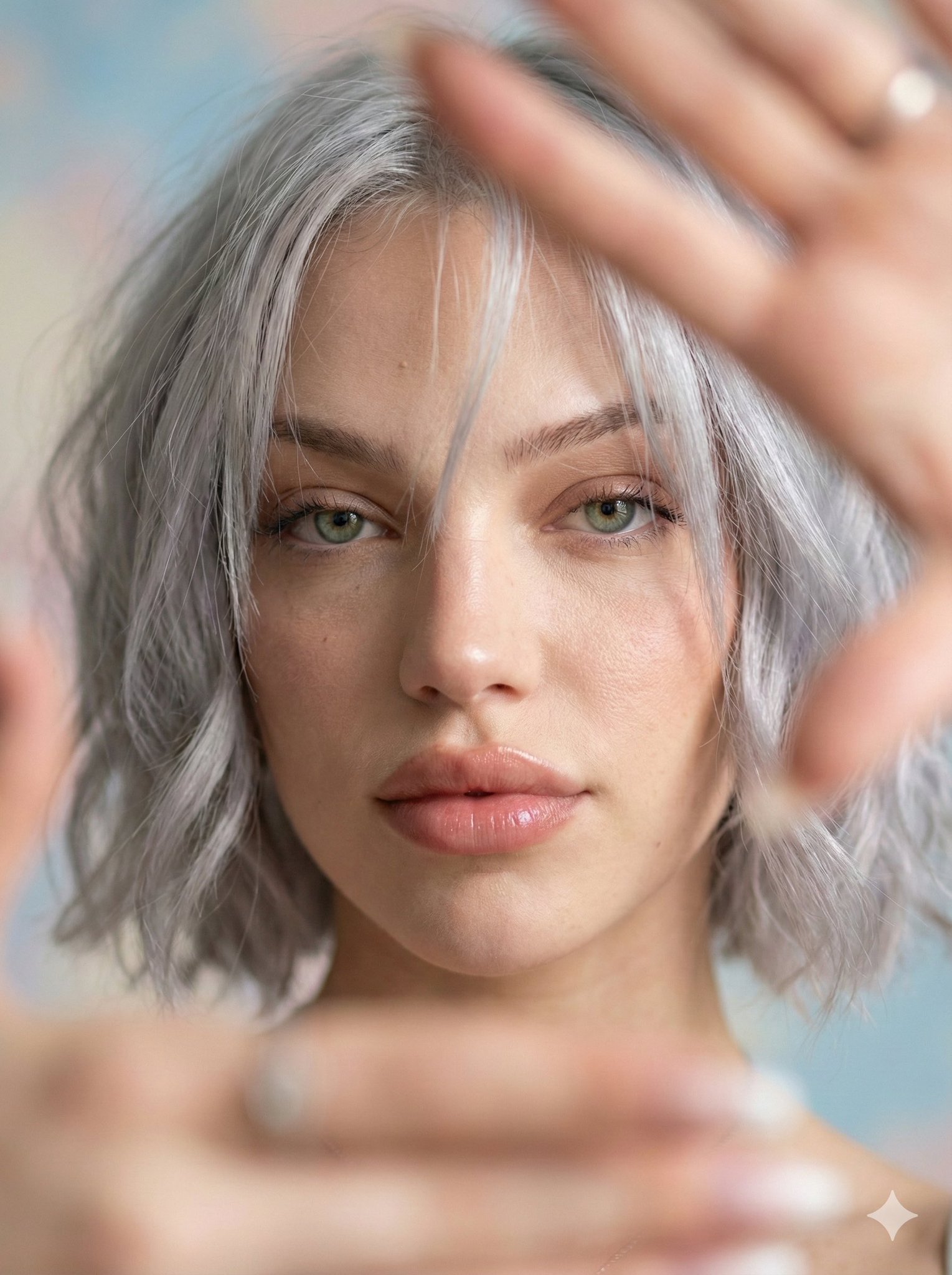
Use GPT Image 2.6 on AISnapEdit when you want OpenAI's newest image model, a cheap 1K tier for drafts, or many references in one edit.
Draft on Economy for 5 credits, then run the chosen prompt on Sunburst or Flare, which take the same settings and cost the same.
Posters, covers and social cards with a short headline benefit from a detailed prompt that names the text, its position and the style.
Up to 16 references let you supply products, people, locations and style boards in the same edit, for 2 credits each on Sunburst and Flare.
Sunburst and Flare render 2:1, 1:2, 21:9, 9:21, 3:1 and 1:3 at any resolution, for banners, headers and story formats.
Use these GPT Image 2.6 prompt ideas for text to image drafts and reference-based edits.
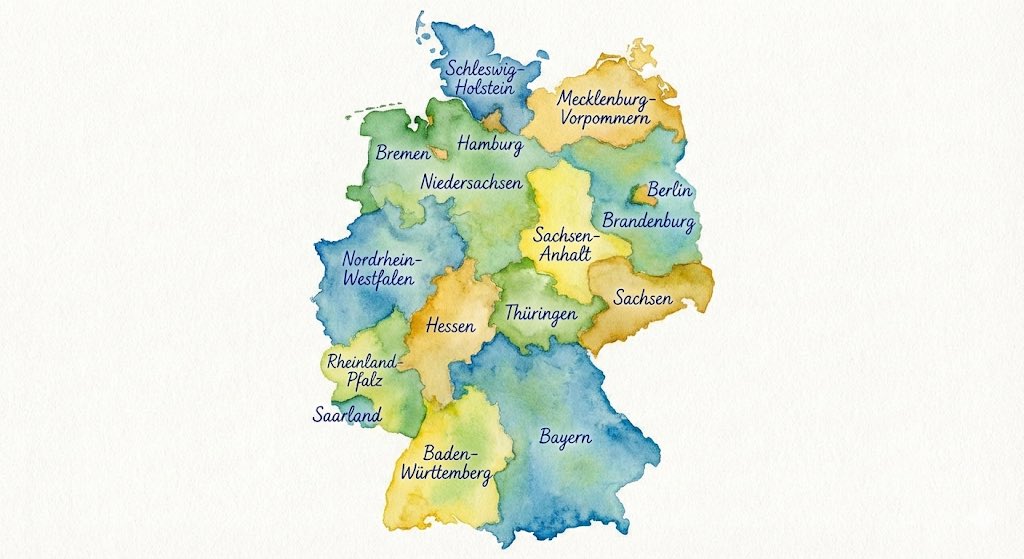
Replace the background with [new setting], keep the subject, pose, clothing and lighting direction unchanged, realistic shadows on the ground.
Draft on Economy, finish on Sunburst
Economy renders 1K images for 5 credits, so settle the prompt there and generate the chosen version on Sunburst at 2K for 16 credits or 4K for 27.
Compare Sunburst and Flare
Both tiers take the same settings and cost the same. OpenAI positions Flare as the faster version with stronger layouts and Sunburst for refined output and consistent edits.
Quote the text you want
Put the exact words in quotes and say where they go, how large they are and what style they use.
Give each reference a role
With several references, say which image supplies the product, which the person and which the style, for example "the product from image 1".
These GPT Image 2.6 examples show how to brief a text-to-image poster, a single-change edit and a multi-reference composite.
Use this when a poster needs a short, legible title and a clear layout.
A 2:3 poster for a summer night market, warm paper-cut illustration of lanterns and food stalls, the title "NIGHT MARKET" in large clean letters at the top, the date line "JULY 12" small at the bottom, generous margins, no other text.
Expected output: A poster with the illustration in the middle and the title and date where the prompt places them.
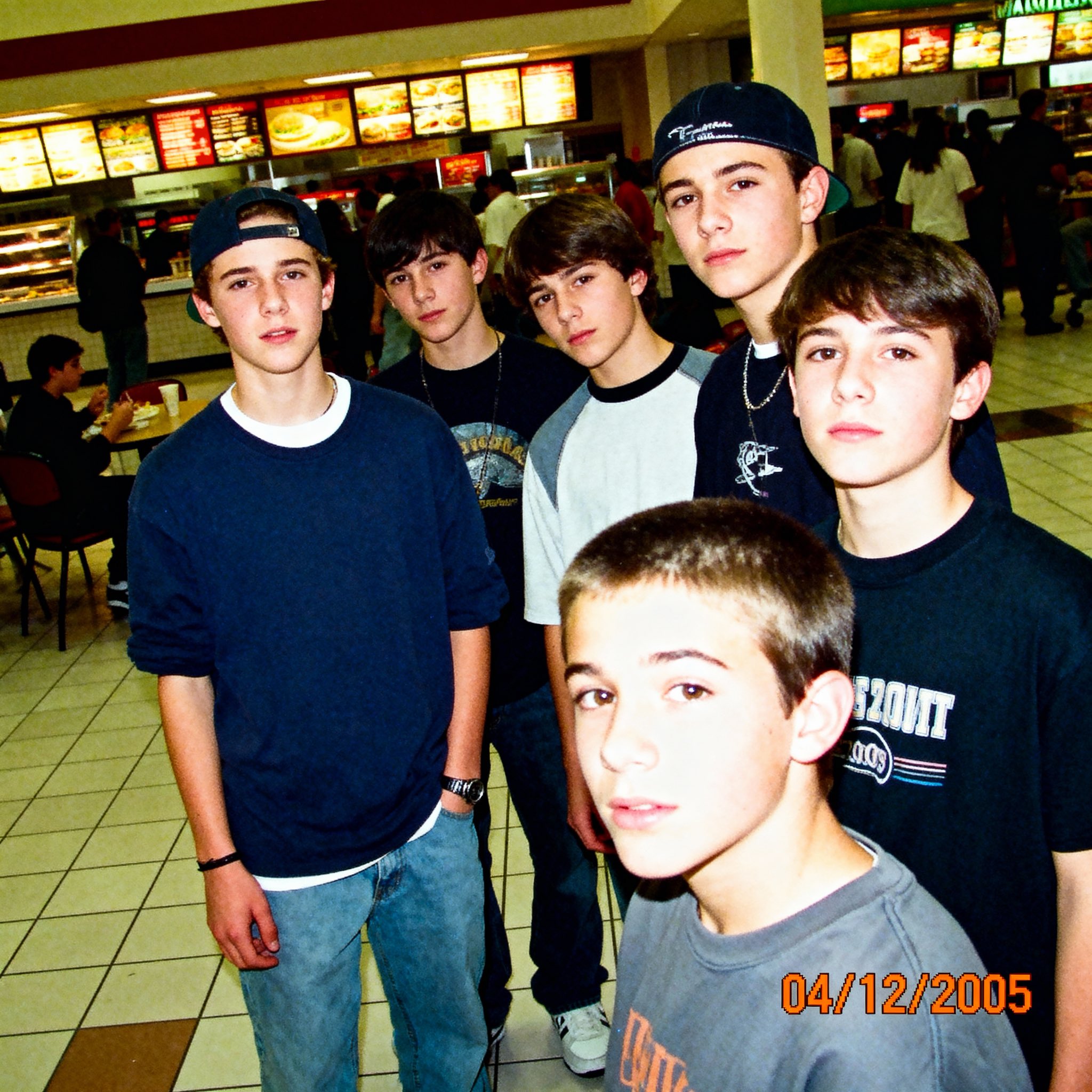
Use GPT Image 2.6 image to image when a photo is right except for its setting.
Replace the background with a bright minimalist studio with a soft gray sweep and keep the product, its label, its angle and its reflections unchanged, matching the shadow on the floor.
Expected output: The same product in a new setting, with lighting adjusted to fit the scene.
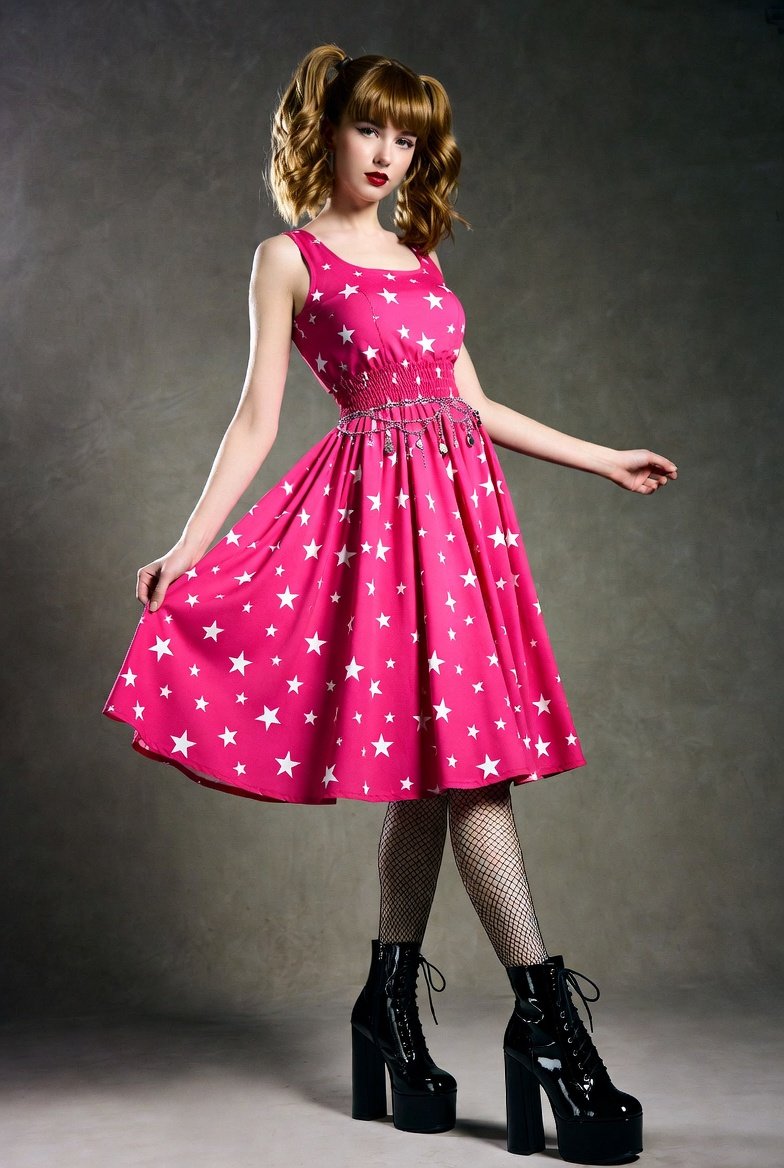
Use this when several product photos and a style reference should come together in one image.
Arrange the products from images 1 to 4 as a flat lay on the linen texture from image 5, follow the color palette of image 6, soft daylight from above, even spacing, premium catalog photography, no text.
Expected output: A single catalog image that combines the products, the surface and the color treatment of the references.
Compare GPT Image 2.6 with nearby AISnapEdit image models when cost, references, resolution or format matter most.
Best for: OpenAI's newest model in three tiers, with up to 16 references, 16 aspect ratios, 1K to 4K output and 5-credit Economy drafts.
Choose when: You want the latest OpenAI image model, a very wide or tall format, or a cheap 1K tier for drafts.
Best for: The previous OpenAI model in Sunburst and Flare tiers, with 3, 10 or 16 credits at 1K, 2K or 4K and references at no extra cost.
Choose when: You want lower 2K and 4K prices or many references without a per-reference charge.
Best for: An earlier OpenAI model with 16 aspect ratios and 6, 8 or 12 credits at 1K, 2K or 4K.
Choose when: You need the same ratio range at a lower 4K price.
Best for: Google's premium Nano Banana model, with 1K to 4K output and up to 8 references.
Choose when: You want to compare a final image against Google's premium model.
Use these AISnapEdit workflows to move from the GPT Image 2.6 guide into generation, editing or model comparison.
Start a text to image workflow and switch between available AISnapEdit image models.
Upload references when a GPT Image 2.6 image should follow an existing product, person or layout.
Compare the previous OpenAI model, which includes references in its price.
Compare an earlier OpenAI model with the same ratio range.
Try a lower-cost Google model with up to 10 references.
Compare Google's premium Nano Banana model on the same brief.
Find answers to common questions about this model
GPT Image 2.6 is OpenAI's image model after GPT Image 2.5, released in November 2026. On AISnapEdit you can use it for text-to-image and for editing with up to 16 reference images, at 1K, 2K or 4K, in the Sunburst, Flare or Economy tier.
Sunburst is the default tier, positioned by OpenAI for refined output and consistency across edits. Flare is the faster version, which OpenAI says improves layouts for posters and product imagery. Both take the same settings and cost the same. Economy is a lower-cost tier that renders the same model at 1K only, with 8 aspect ratios, for a flat 5 credits per image.
On Sunburst and Flare each image costs 8 credits at 1K, 16 at 2K and 27 at 4K, and each reference image in an edit adds 2 credits. On Economy every image costs 5 credits, references included.
An edit takes 1 to 16 reference images in JPEG, PNG or WebP format, up to 30 MB each. On Sunburst and Flare each reference adds 2 credits; on Economy the price stays at 5 credits.
Sunburst and Flare offer Auto, 1:1, 3:2, 2:3, 4:3, 3:4, 5:4, 4:5, 16:9, 9:16, 2:1, 1:2, 21:9, 9:21, 3:1 and 1:3 at every resolution. Economy offers Auto, 1:1, 16:9, 9:16, 3:2, 2:3, 21:9 and 4:3 at 1K.
One PNG image per generation. Generate again to get another variation.
GPT Image 2.6 is the newer OpenAI model, which OpenAI says generates faster, with stronger layouts on Flare and more consistent edits on Sunburst. On AISnapEdit it costs 8, 16 or 27 credits at 1K, 2K or 4K plus 2 credits per reference, offers 16 aspect ratios and adds the 5-credit Economy tier, while GPT Image 2.5 costs 3, 10 or 16 credits with references included and offers 13 ratios.
GPT Image 2.6 does not create a license by itself. Review the AISnapEdit terms, the provider policy, your rights to any uploaded images, and the rules of the platform where you publish before client or monetized use.
Draft on Economy from 5 credits, then finish with GPT Image 2.6 Sunburst or Flare at 1K, 2K or 4K.